When it comes to creating a more sustainable home, the furniture we choose can make a bigger difference than we might think. From the materials used to make a piece to how long it stays in our homes, there are loads of things to consider before buying something new.
The good news is that sustainable furniture doesn’t mean compromising on style. You can still create a comfortable, modern and aesthetic home while being more aware of the pieces you choose.
So, what should you look for when choosing furniture that is better for both your home and the environment?
Look at How Well It’s Made
One of the easiest things to look at is how the furniture has been made.
If something feels flimsy, has loose joints or doesn’t seem like it would cope well with everyday use, there’s a good chance it won’t stay in your home for very long.
This doesn’t mean you have to spend a fortune on every piece of furniture. Instead, look at how sturdy it feels, what it’s made from and whether it seems like it will hold up to normal use.
A dining table, for example, is going to be used a lot more than a small side table, so it makes sense to think about how well it will cope with everyday life.
Pay Attention to the Materials
When you’re looking for sustainable furniture, the materials are one of the first things worth checking.
With wooden furniture, you might want to look for solid wood or find out where the timber has come from. Other materials can have their own advantages too, depending on what you’re buying and how you’re going to use it.
It’s also worth thinking about what will happen to the furniture further down the line. Can it be repaired if something breaks? Can the fabric be replaced? Could it be sanded down or refinished?
These little things can make a difference when you’re hoping to keep something for years instead of just replacing it after a short time.
Don’t Overlook Second-Hand Furniture
Second-hand furniture can be a good option if you’re looking for sustainable furniture without buying something newly made.
Charity shops, vintage shops, local selling groups and online marketplaces can be fairly good places to find furniture that already exists.
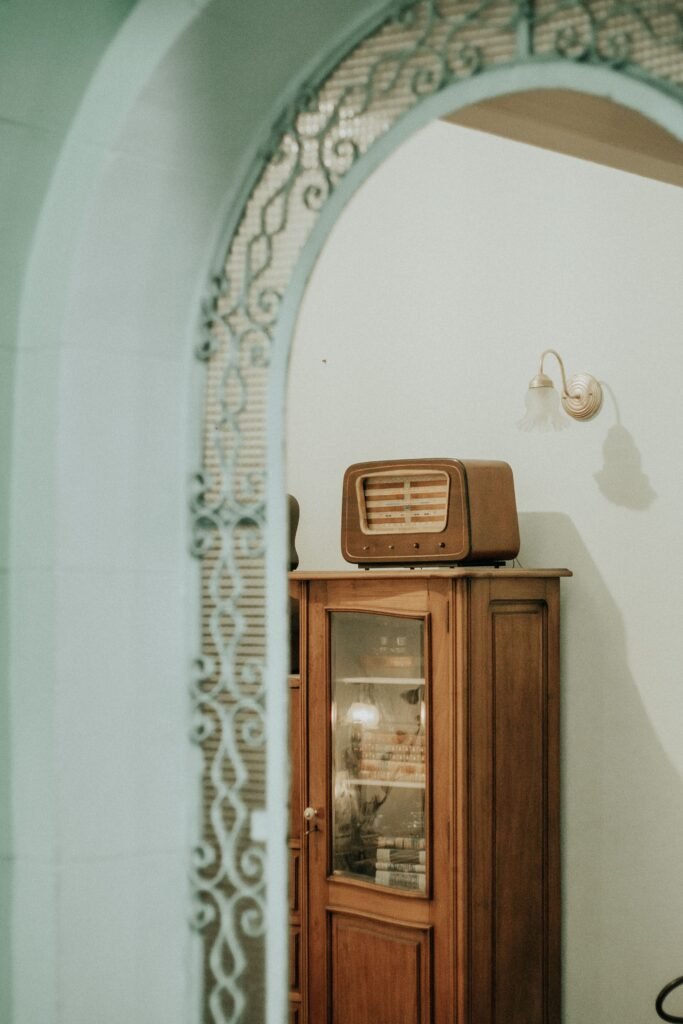
You might find an old wooden table that just needs a little bit of touching up, or a cabinet that works perfectly but could do with a new lick of paint.
And the good thing is that second-hand furniture can sometimes bring something more to a room that new pieces don’t. A few older or vintage items can add a bit of character and make your home feel a bit less like everything came from the same shop.
Have a Look at What You Already Have
Before buying something new, have a look around your home and see if you can make use of what you’ve already got.
That old chest of drawers might just need some new handles. A wooden table could maybe be sanded down and given a new finish. Even moving a piece of furniture into a different room can sometimes make it feel completely different.
Remember, you don’t always need to replace something just because you’re getting a little bored of how it looks.
Giving existing furniture another go can save you some money and reduce waste. Sometimes, it might even give you a much better result than buying something new!
Think About Whether You’ll Still Like It in a Few Years
Furniture isn’t as easy to change as your cushions or other smaller bits around your home.
That’s why it can be useful to think about whether you can see yourself still liking a piece of furniture you buy now in a few years’ time.
This doesn’t mean everything needs to be plain or neutral. If you love colour, patterns or something a little different, go for it!
It’s kind of more about knowing your own style instead of buying something just because it’s everywhere at the moment.
If you do tend to change your home quite often, you could keep the bigger furniture pieces fairly simple and bring in more personality through things that are easier and cheaper to change like lamps or cushion covers.
Make Sure It Actually Works for Your Home
Something can look great in a photo online but still be completely wrong for your home.
Before buying furniture, think about how you’re actually going to use it.
If you have a busy household, a delicate fabric probably isn’t going to be the most practical option for your sofa. If you work from home, your desk needs to be comfortable and big enough for what you actually use it for.
The same goes for storage. If you need somewhere to put things, buying a beautiful cabinet that doesn’t hold very much isn’t going to solve the problem.
Furniture that works well for your everyday life is much more likely to stay in your home for longer, so buy your furniture accordingly.
Look for Pieces You Can Repair
Things get worn out. Chairs get scratched. Drawers stop working properly. Sofa cushions can lose their shape. But that doesn’t automatically mean the whole thing needs to go.
When you’re buying furniture, it’s worth checking if individual parts can be repaired or replaced.
A loose chair leg is a very different problem from a completely broken chair. A scratched wooden surface might be fixable. A broken handle is most definitely not a valid reason to throw away an entire cabinet.
The easier something is to repair, the longer you might actually be able to keep using it.
You Don’t Have to Furnish a Room All at Once
When you’re decorating a room, it can be tempting to buy everything at once just to get it finished.
But there’s nothing wrong with taking your time.
If you buy the first sofa, table or cabinet you see because you need to fill the space, you might end up replacing it later when you find something you actually prefer.
Waiting can give you time to look around, compare different options and find something that works properly in your home.
And your home doesn’t have to look finished straight away. Sometimes the rooms that take longer to decorate end up feeling the most personal in the end.
Think About the Cost Over Time
It’s easy to look at two pieces of furniture and straight away go for the cheaper one.
And sometimes the cheaper option is completely fine too.
But it’s worth thinking about how long you’re likely to get out of it.
If a £100 piece needs replacing after a couple of years, while a £300 piece lasts for ten years, the cheaper option isn’t necessarily saving you money in the long run.
Of course, a higher price doesn’t automatically mean better quality either. There are plenty of expensive pieces that aren’t worth the money.
Have a look at what you’re actually getting for the price, including the materials, how it’s made and how long you think it could realistically last.
Buy Less When You Can
This doesn’t mean you need to have an empty house or completely stop buying things for your home.
It’s more about avoiding furniture purchases that you don’t really need.
Have a think about it. If you already have a perfectly good side table, do you actually need another one? If your dining chairs are still comfortable and in good condition, do they really need replacing just because you’ve changed the colour scheme?
Sometimes a few smaller updates can completely change how a room feels without buying a whole load of new furniture.
And if you’re making other changes around your home, you might find our Sustainable Kitchen Upgrades: 10 Eco-Friendly Ideas guide useful too. It looks at ways to make changes in the kitchen without having to replace everything.
What Makes Sustainable Furniture a Better Choice?
There isn’t one material, brand or type of furniture that is going to be the perfect option for every home.
Instead, there are a few things you can look out for when you’re buying.
Furniture that is well made, suits your home, can be repaired and is likely to last for years can help you avoid constantly replacing things.
Buying second-hand is another option, and so is making use of the furniture you already have.
You don’t have to get everything right, either. Even small changes in how you buy and look after your furniture can make a difference.
Creating a more sustainable home doesn’t mean you have to fully change the way your home looks.
When it comes to sustainable furniture, it can be as simple as buying something because you know you’ll use it for years, looking after the pieces you already own or giving second-hand furniture a chance.
You don’t need to replace everything you have. Sometimes, the best thing you can do is keep using what you’ve already got and make it work for you.
And when you do need something new, taking a little more time to find the right piece can mean you end up with something you’ll be happy to have in your home for a long time.