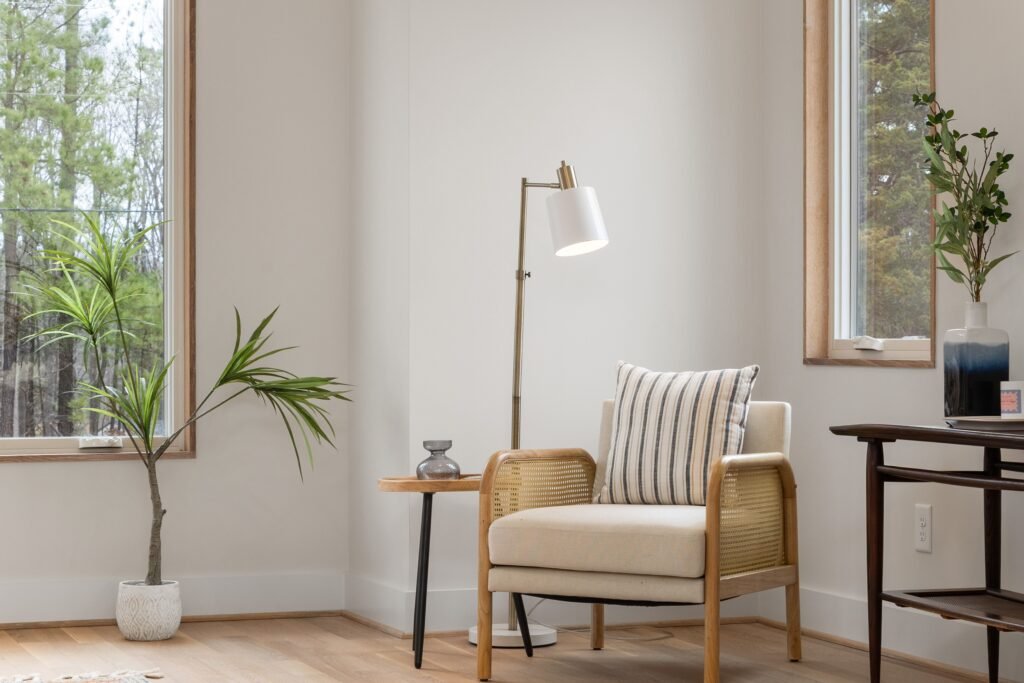
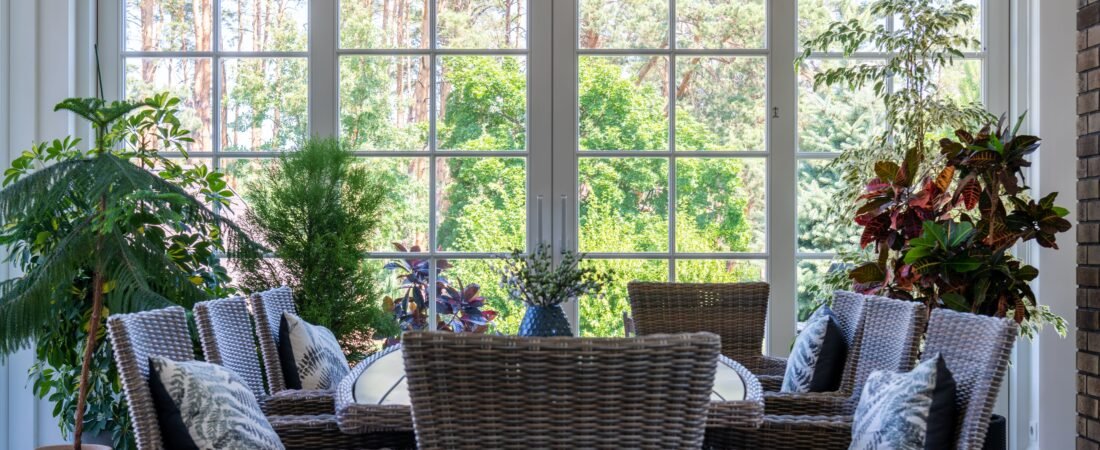
Creating a more comfortable home doesn’t always mean adding more furniture or completely changing the way a room looks. Sometimes, bringing a little more nature into your space can actually make a big difference. Biophilic living spaces are all about creating a stronger connection between your home and the natural world around you.
You don’t need to fully redesign your home to bring in some biophilic design either. Small things like adding plants, making better use of natural light, picking natural materials or using nature-inspired colours can all help create a home that feels more natural and comfortable.
You might be starting from scratch or just looking for a few simple changes in your home, but either way, there are loads of ways you can bring nature into your home whilst still keeping your own personal style.
1. Bring More Plants Into Your Living Space
One of the easiest ways to start bringing nature into your home is by adding plants.
Houseplants add both colour and life to a room. You can choose a larger plant as a statement piece or just add a few smaller ones to shelves or windowsills.
You don’t need to fill every space with plants either. Just adding one or two plants to your room can make a difference.
When you’re looking for a plant, think about how much natural light that room gets and how much time you actually have to look after it. There’s no point choosing a plant just because it looks nice if it isn’t going to fit your room properly or if you’re constantly going to have to replace it because you can’t look after it properly.
Sometimes, just choosing a plant because it looks good might not be the best option. Choosing a plant that works well with your home and fits the space properly might actually be better for you.
2. Make the Most of Natural Light
Natural light is another important part of creating biophilic living spaces.
IIf you manage to use the natural light you already have, your home will feel brighter and bigger whilst still feeling connected to the outdoors.
Try to avoid blocking your windows with massive pieces of furniture if you can and think about whether your curtains or blinds are letting enough natural light into the room.
You don’t necessarily need to make any dramatic changes either. If you just rearrange your furniture or change your window coverings, even that can help you make better use of the natural light that is already there.
3. Choose Natural Materials
The materials you use in your home can also help you create a more natural feeling space.
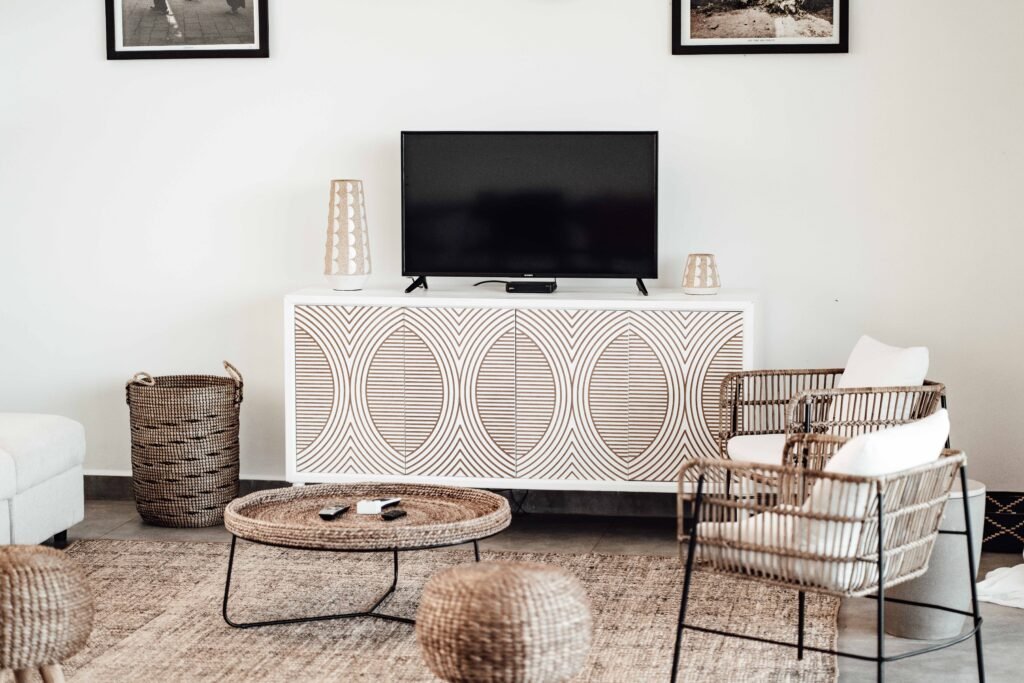
To use natural materials in your home, think about things like wood, bamboo, rattan, linen, cotton, cork and stone. It’s worth considering what works best for you and choosing based on your style and budget.
Natural materials can help to add warmth and texture to your room. This can make it feel a little less plain and more connected to the outdoors.
Be careful though, just because something is made from a natural material doesn’t automatically mean it is the most sustainable choice.
You have to think about where the material comes from, how durable it is, how much maintenance it needs and how long you want to use it for. Finding something that is made to last might be a better option than replacing cheaper alternatives over and over again.
4. Bring Nature-Inspired Colours Into Your Home
You don’t only have to bring nature into your home through adding things like plants and different materials. You can pick colours which help to make a more natural atmosphere.
Try adding colours which are more muted natural tones, like different greens, warm browns, soft blues and earthy neutrals. These can all be used to make your room more inspired by the outdoors.
Then again, this doesn’t mean you have to repaint your whole room or house though.
If you quite like the colour of your wall as it is, you could bring in nature-inspired colours through things like cushions, throws, artwork, rugs or other smaller ornaments.
The good thing is that adding a few smaller changes can actually give your room that feel you’re after without having to completely redecorate.
5. Add Natural Textures and Organic Shapes
If you think about it, in nature, everything isn’t perfectly smooth, matching or symmetrical. In the same way, you can add some different textures and softer shapes into your home to replicate that. This’ll help make a room feel more nature-centred whilst bringing in that calm, relaxed feeling.
A few examples of this are:
- Woven baskets
- Linen cushions
- Wooden furniture
- Textured throws
You can look at adding more curved or organic shapes through furniture, mirrors, lighting or decorative pieces.
Adding all these smaller details might not seem like a massive change on their own, but when they are all put together they can help make a room that feels warmer and more comfortable.
6. Create a Connection With the Outdoors
Biophilic design isn’t only about what you put inside your home. It can also be about how the place you’re living in connects with the outdoors.
Maybe you can position a chair or sofa near your window so that you can see outside and connect to the outdoors like that, or arrange your furniture in a way that makes the view part of the room, that way you’re bringing nature into your home where possible.
Even if you don’t have a large garden, just being able to see trees, plants or the sky from your room window can help bring some of that natural feeling into your everyday surroundings.
7. Reuse What You Already Have
Don’t think that to create a biophilic living space you’re going to have to go out and buy loads of new decor.
Before you go and buy some new furniture, look at what you already have in your home and think ‘Can I use this somewhere else in the home, or can I move it to a different, better location?’
Maybe you have an old wooden piece of furniture that you can refurbish, or an armchair in good condition that you could move to a better place in your room to make better use of the natural light you have.
Even smaller things in your home can be put to another purpose, old jars can sometimes be reused as plant pots or containers instead of just being thrown out straight away.
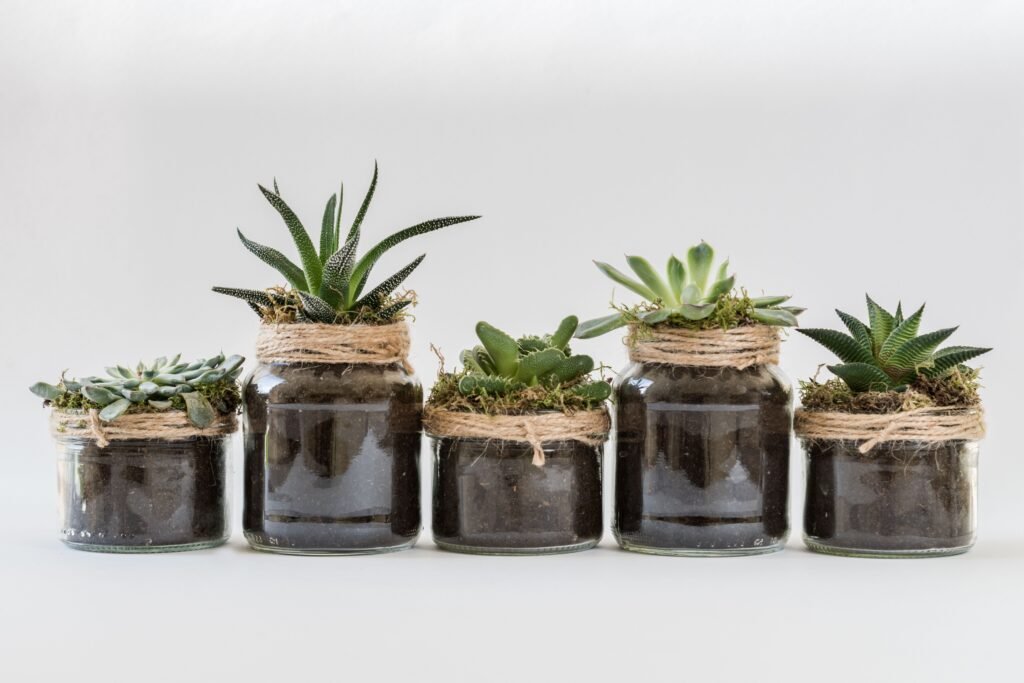
This way, not only is it a more sustainable way of living, but it can also help you create a home that feels more personal because you’re working with things you already have.
8. Use Nature-Inspired Artwork and Decor
If you don’t have that much space for plants or your home doesn’t get a lot of natural light, there are still other ways you can bring some nature-inspired elements into your rooms.
Having artwork or framed photos which are inspired by landscapes, plants, flowers or the outdoors is another way of incorporating nature into your room.
You can add botanical prints, nature photography, handmade ceramics or other pieces that remind you of the outdoors, they look good and make you feel good as well!
This way, you don’t have to completely change your room and your style, you just add in smaller details to bring the feel of nature into your home. Choose decor like ceramics or artwork which fits the colour scheme of your room and you’ve already taken a step towards a more biophilic home.
9. Make Your Space Comfortable as Well as Natural
Don’t forget that even though you’re trying to make a more biophilic living space, it’s still important that your home works for you. It’s so easy to focus so much on how a room looks that you forget about how it actually feels to spend time in it.
Choosing seating which is actually comfortable, adding soft textures, calming lighting and a layout that suits you all make a difference.
Biophilic design should be about creating a connection with nature whilst still making your home somewhere you actually want to spend time.
After all, there’s not much point having a beautiful room if it doesn’t feel comfortable or practical.
10. Start Small With Biophilic Living Spaces
You really don’t need to completely transform your home overnight. It’s much easier to make small changes over time when creating biophilic living spaces.
Simple things like adding a plant to a room, making better use of the natural light you already have, bringing in a natural material or texture, or adding some nature-inspired colours through your furniture or artwork can all make a difference.
These little changes might not seem like a massive difference on their own, but over time they can help create a home that feels more connected to nature without you having to completely redesign everything.
Creating a more natural home doesn’t mean that you have to sacrifice your personal style or start again from scratch.
There are loads of ways to bring nature into your home, whether it’s through plants, natural light, materials, colours, textures or making use of the connection you already have with the outdoors.
The most important thing is to create a space that works for you, whilst also considering the materials and products you choose and making use of what you already have where possible.
With a few small changes, biophilic living spaces can help you create a home that feels natural, stylish, comfortable and connected to the natural world around you.